
About Gombe State SEMSAS
Delivering coordinated emergency medical services and ambulance response to save lives across Gombe State.
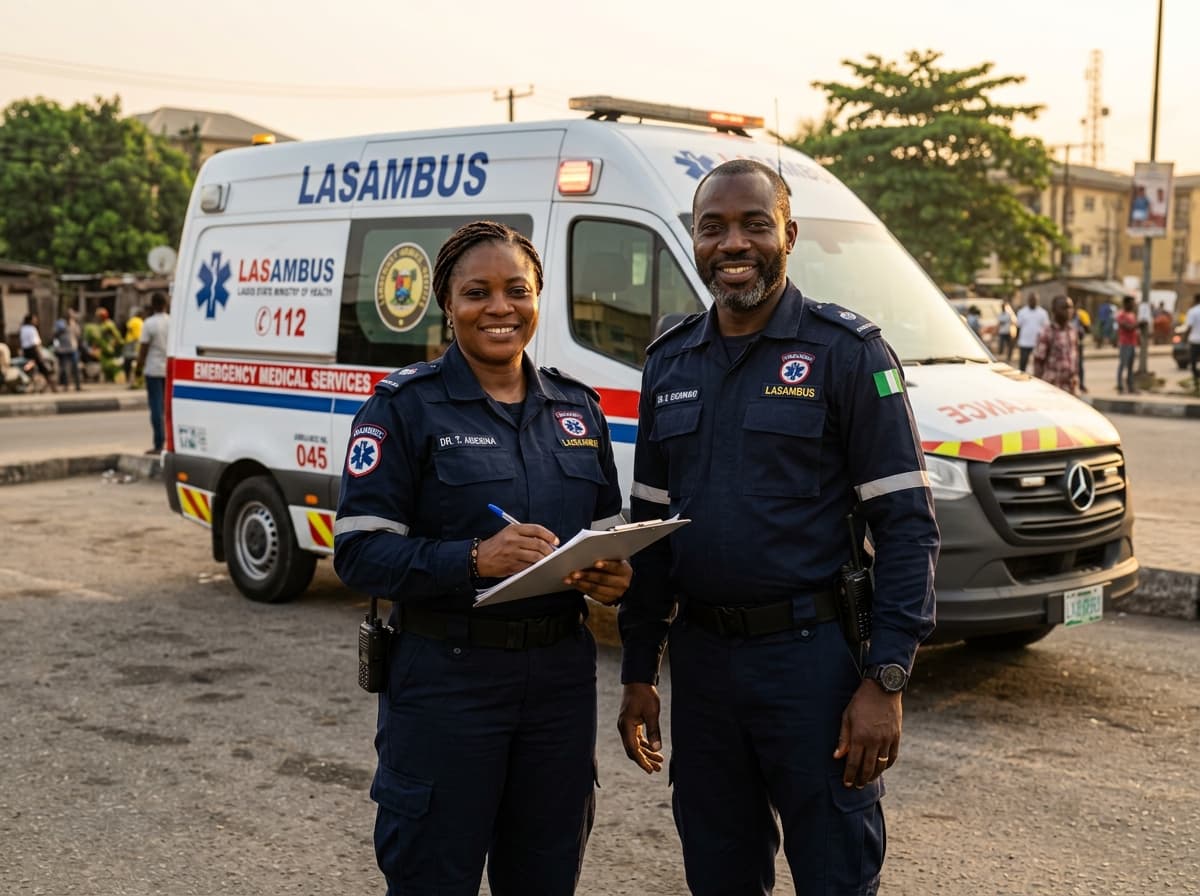
Establishing the Standard for Pre-Hospital Emergency Care
The Gombe State Emergency Medical Services and Ambulance System (SEMSAS) is the official state implementation of the National Emergency Medical Services and Ambulance System (NEMSAS). It is a vital initiative designed to manage public emergency response, ambulance logistics, pre-hospital life support, and referral networks across Gombe State.
We aim to bridge the critical gap between medical emergencies—such as road traffic accidents, trauma occurrences, maternal healthcare challenges, and sudden severe illnesses—and medical establishments. By mobilizing prompt dispatch systems and trained clinical personnel, SEMSAS ensures that patients are stabilized, cared for, and safely transitioned.
Our Mission
Deliver rapid, coordinated, and high-quality emergency medical services that improve survival rates and medical health outcomes for all residents and visitors across Gombe State.
Our Vision
A Gombe State where every person has timely access to professional emergency medical care whenever and wherever it is needed, minimizing preventable casualties.
Core Values
The fundamental principles that guide our emergency responders and operational dispatch team daily.
Professionalism
Upholding the highest clinical and operational standards in pre-hospital emergency care.
Integrity
Operating with absolute transparency, honesty, and accountability to the public we serve.
Compassion
Delivering care with respect, dignity, empathy, and kindness to patients in distress.
Rapid Response
Valuing every second as critical, optimizing dispatch protocols for swift intervention.
Teamwork
Collaborating seamlessly across dispatchers, medical crews, and receiving hospitals.
Excellence
Striving for continuous improvement through regular responder drills and modern technologies.
Strategic Objectives
Our clear milestones for expanding public healthcare emergency safety nets.
Deliver rapid emergency medical response statewide.
Coordinate ambulance services across all 11 LGAs.
Strengthen the referral system between community clinics and state hospitals.
Reduce preventable pre-hospital and traffic-related deaths.
Modernize public emergency healthcare access tools.
Build emergency response workforce clinical capacity.
Promote public emergency preparedness campaigns.
Provide strategic medical support during disasters and epidemics.